1. Assessment
The team inspects the cabin, finds where fluids reached and decides what can be cleaned and what must come out.
Sanibel, FL · Lee County
Dried blood on a seat or vomit in the back of a van in Sanibel? Call (877) 812-4220. Crews clean, disinfect and remove stained upholstery, then leave the interior safe to sit in again.
If anyone is in danger, call 911 first. For a suicide crisis, call or text 988.
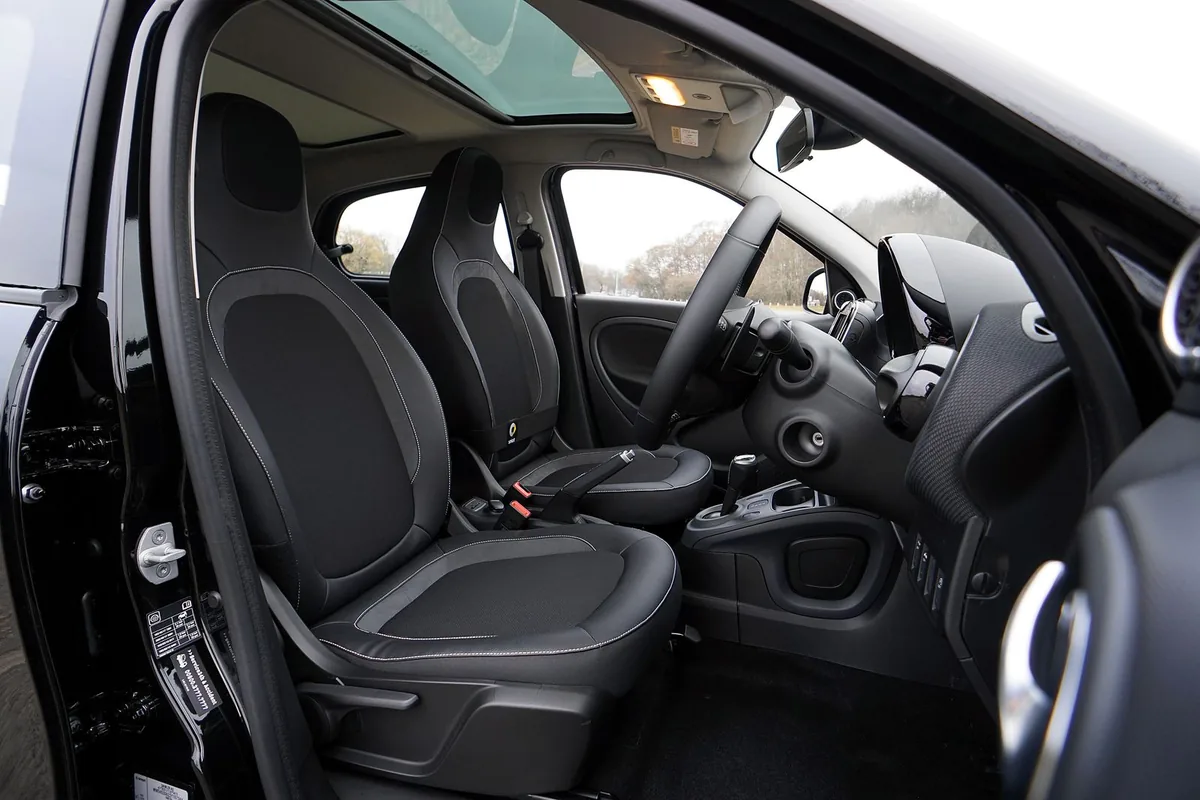
Biohazard vehicle cleaning covers more than cars. Pickup trucks, delivery vans, buses, taxis, rideshare vehicles and work trucks can all become contaminated, and each needs a safe cleaning plan.
From one stained seat to a full interior, you can get car biohazard cleaning for Sanibel and the rest of Lee County by calling Sanibel Biohazard Cleanup Help. The work is private, careful and focused on safety.
With about 57 inches of rain a year in Sanibel, damp air and leaks can feed mold in a contaminated vehicle that was left sitting. Tow yards and body shops in Cape Coral, about 54 minutes from Sanibel, often hold vehicles until they are released and cleaned.
A typical vehicle biohazard cleanup job includes:
The team inspects the cabin, finds where fluids reached and decides what can be cleaned and what must come out.
Technicians wear full protective equipment and limit access to stop cross-contamination.
Soaked seat foam, carpet and padding are taken out and bagged. Hard surfaces are cleaned, then disinfected with EPA-registered products.
Odor is treated in the cabin and vents, waste leaves as regulated waste, and the interior is checked before the keys are returned.
Most vehicle biohazard cleanup jobs in Sanibel, FL cost between $500 and $5,000, based on published cost guides.
Vehicle type changes the price. A compact car, a full-size truck, a large van and a bus each have different amounts of interior to clean.
| Type of job | Typical range |
|---|---|
| Vehicle biohazard cleanup | $500 - $5,000 |
These ranges come from published cost guides (BioCleaners Directory) and are not a quote for Sanibel. Price drivers include type of interior materials, how serious the event was, time since the event, air system decontamination. For a real number, call (877) 812-4220.
People use both phrases. Most of the time they mean decontaminating a vehicle that holds blood or other body fluids. Chemical spills are a separate hazard, and a cleanup team can say whether it can handle a specific one.
A biohazard car is a vehicle with blood, vomit, urine, feces or other hazardous material inside. It may look only stained, but the fluids can soak into foam and carpet and keep spreading odor and germs.
A salvage vehicle is one an insurer has declared a total loss. Some are also tagged for contamination when blood or fluids were involved. Labels and rules vary, so ask the insurer or the state title office what applies to a specific vehicle.
Yes. Blood can carry bloodborne pathogens such as hepatitis B and HIV. Dried blood can still be hazardous, and enclosed cabins hold odor. That is why the area is cleaned with protection and disinfected.
Yes. Waste is lifted with protection, soaked materials are removed and surfaces are disinfected. Urine travels deep into foam, so seats may need to be taken out or replaced if the smell remains.
It usually means the interior was contaminated by blood, body fluids or similar material, and cleaning or repair is needed. Insurers and sellers may use the phrase when a vehicle was exposed to hazardous contamination.
One call starts the cleanup, disinfection and disposal.
Call (877) 812-4220